

When it comes to firefighting, safety is of the utmost importance. Firefighters are constantly exposed to a variety of hazards, including smoke, toxic gases, and high temperatures. One of the key pieces of equipment that can help protect them is a proper respiratory protection device. As a supplier of Full Face Canister Masks, I often receive inquiries about whether these masks can be used for firefighting. In this blog post, I will explore this question in detail and provide you with the information you need to make an informed decision.
Understanding Full Face Canister Masks
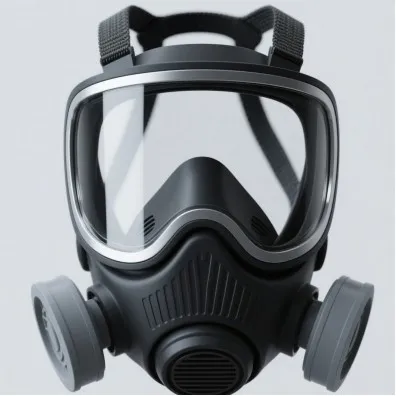
A Full Face Canister Mask is a type of respiratory protection device that covers the entire face and uses canisters to filter out harmful substances from the air. These masks are commonly used in industrial settings, such as chemical plants and laboratories, as well as in tactical situations, such as military operations and law enforcement. They are designed to provide protection against a wide range of contaminants, including dust, fumes, gases, and vapors.
The canisters used in Full Face Canister Masks are filled with various types of filters, such as activated carbon, HEPA filters, and chemical filters. These filters work together to remove different types of contaminants from the air. For example, activated carbon is effective at removing organic vapors, while HEPA filters can trap small particles like dust and pollen. Chemical filters are designed to neutralize specific chemicals or gases.

The Challenges of Firefighting
Firefighting is a unique and extremely hazardous occupation. Firefighters face multiple challenges when battling fires, including:
- Smoke and Toxic Gases: Fires produce large amounts of smoke, which contains a complex mixture of toxic gases such as carbon monoxide, hydrogen cyanide, and sulfur dioxide. These gases can be extremely harmful if inhaled, causing respiratory problems, unconsciousness, and even death.
- High Temperatures: Firefighters work in environments with extremely high temperatures, which can cause heat stress and burns. The heat can also damage respiratory protection equipment, reducing its effectiveness.
- Visibility: Smoke and flames can significantly reduce visibility, making it difficult for firefighters to navigate and perform their tasks safely.
Can a Full Face Canister Mask Be Used for Firefighting?
The short answer is that while Full Face Canister Masks can provide some level of protection in certain firefighting scenarios, they are generally not recommended as the primary respiratory protection device for structural firefighting. Here are the reasons:
- Limited Oxygen Supply: Canister masks do not provide a self - contained oxygen supply. In a fire environment, the oxygen levels can be depleted, and the canisters are designed to filter contaminants from the surrounding air. If the oxygen level drops too low, a canister mask will not be able to provide the necessary oxygen for breathing, putting the firefighter at risk of asphyxiation.
- Heat Resistance: Most Full Face Canister Masks are not designed to withstand the high temperatures found in a fire. The heat can damage the mask material, the canisters, and the seals, compromising the protection provided by the mask.
- Filter Capacity: The filters in canister masks have a limited capacity to absorb and neutralize contaminants. In a large fire, the concentration of toxic gases can be extremely high, and the canisters may become saturated quickly, rendering the mask ineffective.
However, there are some situations where a Full Face Canister Mask may be useful in a firefighting context:
- Wildland Firefighting: In wildland fires, the oxygen levels are generally not as severely depleted as in structural fires. Canister masks can provide protection against smoke and some of the toxic gases produced by the burning vegetation. They can also be used during mop - up operations after the main fire has been extinguished.
- Pre - fire or Post - fire Operations: Before a fire is fully extinguished or during post - fire investigation and cleanup, canister masks can offer some protection against residual smoke and low - level contaminants.
Alternatives for Firefighting
For structural firefighting, Self - Contained Breathing Apparatus (SCBA) is the standard and recommended respiratory protection device. SCBAs provide a self - contained supply of breathable air, usually in the form of compressed air cylinders. This allows firefighters to work in environments with low oxygen levels or high concentrations of toxic gases. SCBAs are also designed to be more heat - resistant and durable, with features such as high - temperature - resistant hoses and masks.
Our Full Face Canister Mask Offerings
As a supplier of Full Face Canister Masks, we offer a range of high - quality products that are suitable for various industrial and tactical applications. Our Full Face Canister Mask is designed with advanced filtration technology to provide reliable protection against a wide range of contaminants. It features a comfortable and secure fit, adjustable straps, and a clear visor for good visibility.
We also have other related products, such as the Industrial Mask with Filter, which is ideal for industrial settings where workers are exposed to dust, fumes, and vapors. And our Tactical Full Face Gas Mask is designed for military and law enforcement personnel, with features like a rugged design and compatibility with communication devices.
Conclusion
While Full Face Canister Masks have their limitations for firefighting, they can still play a role in certain situations. It is crucial to understand the capabilities and limitations of these masks and choose the appropriate respiratory protection device based on the specific firefighting scenario. If you are involved in industries where Full Face Canister Masks are suitable, such as industrial work or certain tactical operations, our products can provide you with the protection you need.
If you are interested in learning more about our Full Face Canister Masks or have any questions about respiratory protection, please feel free to contact us for a detailed discussion and potential procurement. We are committed to providing you with the best solutions for your safety needs.
References
- National Fire Protection Association (NFPA). NFPA 1981: Standard on Open - Circuit Self - Contained Breathing Apparatus (SCBA) for Emergency Services.
- Occupational Safety and Health Administration (OSHA). Respiratory Protection Standard.
- International Organization for Standardization (ISO). ISO standards related to respiratory protection devices.