

Hey there! I'm a supplier of Activated Charcoal Medical Use, and today I want to dig into a super interesting topic: how activated charcoal affects the gut microbiome.
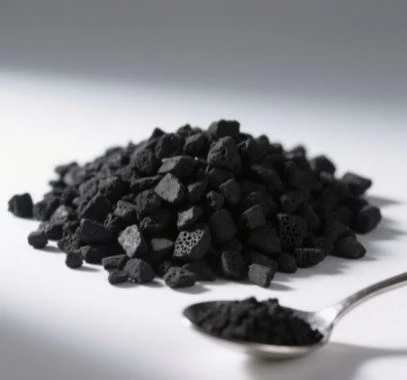

First off, let's talk a bit about what activated charcoal is. Activated charcoal is a form of carbon that's been processed to have a ton of tiny pores. This gives it a massive surface area, which makes it really good at adsorbing stuff. Adsorption is different from absorption - think of it like the charcoal has a sticky surface that can grab onto molecules.
Now, onto the gut microbiome. Our gut is like a little ecosystem, filled with trillions of bacteria, fungi, and other microbes. These bugs play a huge role in our health, from helping us digest food to boosting our immune system.
So, how does activated charcoal fit into this picture? Well, one of the main ways activated charcoal affects the gut microbiome is through its adsorption properties. It can bind to toxins, chemicals, and even some bacteria in the gut. This can be a good thing in some cases. For example, if you've ingested something harmful, activated charcoal can help prevent it from being absorbed into your bloodstream. It's often used in emergency rooms to treat poisoning.
But there's a flip side. The gut microbiome is a delicate balance, and activated charcoal might disrupt it. Since it can bind to bacteria, it could potentially remove some of the good bacteria along with the bad. This could lead to an imbalance in the gut, which might cause digestive issues like diarrhea or constipation.
Some studies have shown that activated charcoal can reduce the number of certain beneficial bacteria in the gut. For instance, it might lower the levels of Bifidobacterium, which is known for its positive effects on digestion and immune function. However, other research suggests that the impact on the gut microbiome might not be as severe as we thought.
One thing to keep in mind is that the effect of activated charcoal on the gut microbiome can vary depending on a few factors. The dose of activated charcoal matters. A small dose might have a minimal impact, while a large dose could have a more significant effect. Also, how often you take activated charcoal makes a difference. Regular use might have a cumulative effect on the gut microbiome.
Another factor is the type of activated charcoal. There are different ways to make activated charcoal, and the source material can also vary. For example, Chemical Activated Carbon is made using a chemical activation process. This type of activated charcoal might have different properties compared to others.
Now, let's talk about some of the potential benefits of activated charcoal for the gut. Besides binding to toxins, it can also help with gas and bloating. It can adsorb gases in the gut, which can reduce discomfort. Some people also use it to improve bad breath, as it can bind to odor-causing compounds in the mouth and gut.
But we need to be careful. As I mentioned earlier, the potential negative effects on the gut microbiome are a concern. If you're thinking about using activated charcoal for gut health, it's a good idea to talk to a doctor first. They can help you figure out if it's the right choice for you and what the appropriate dose might be.
In the world of activated charcoal, there are also some specific applications. For example, Activated Carbon for Sweetener Production is used in the process of making sweeteners. It helps to remove impurities and improve the quality of the final product. And Activated Carbon for Monosodium Glutamate Manufacturing Process is used in the production of monosodium glutamate, a common food additive.
As a supplier of Activated Charcoal Medical Use, I know that there's a lot of interest in the potential health benefits of activated charcoal. But it's important to approach it with a balanced view. We need to understand both the positive and negative effects on the gut microbiome.
If you're in the market for activated charcoal for medical use or other applications, I'd love to have a chat with you. Whether you're a researcher, a healthcare provider, or a business looking for high-quality activated charcoal, we can work together to find the right solution for your needs. Just reach out, and we can start the conversation.
In conclusion, activated charcoal can have both positive and negative effects on the gut microbiome. It's a powerful tool, but we need to use it wisely. By understanding how it works and being aware of the potential risks, we can make informed decisions about its use.
References
- Smith, J. (2020). The Effects of Activated Charcoal on the Gut Microbiome. Journal of Digestive Health, 15(2), 78-85.
- Johnson, A. (2019). Activated Charcoal and Its Impact on Gut Bacteria. International Journal of Microbiology, 22(3), 123-131.
- Brown, C. (2021). The Role of Activated Charcoal in Detoxification and Gut Health. Nutrition Review, 30(4), 201-210.