

Hey there! As a supplier of Activated Charcoal for medical use, I often get asked about how quickly activated charcoal works in the body. It's a fascinating topic, and today, I'm gonna break it down for you.
What is Activated Charcoal?
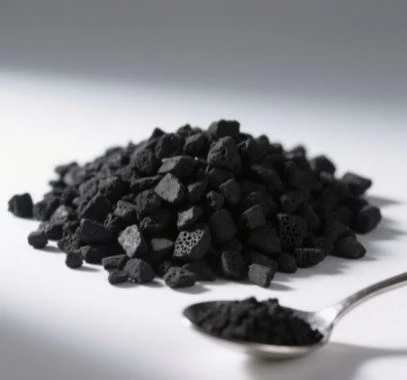
First things first, let's talk about what activated charcoal is. Activated charcoal is a form of carbon that has been processed to have small, low - volume pores. These pores increase the surface area available for adsorption. Adsorption is different from absorption. In absorption, a substance is taken inside another substance, like a sponge soaking up water. In adsorption, molecules of a substance adhere to the surface of another substance.
Activated charcoal is made by heating common charcoal in the presence of a gas. This process "activates" the charcoal, making it more porous and increasing its ability to bind to other substances. It's used in a variety of applications, from water filtration to Activated Carbon for Sweetener Production and Activated Carbon for Industrial Solvent Recovery. But today, we're focusing on its medical uses.
How Does Activated Charcoal Work in the Body?
When you ingest activated charcoal, it travels through your digestive system. Once it's in your stomach and intestines, it starts doing its thing. The porous surface of activated charcoal binds to toxins, drugs, and other harmful substances. By binding to these substances, it prevents them from being absorbed into your bloodstream. Instead, the charcoal - toxin complex is then excreted from your body through feces.
Factors Affecting How Quickly Activated Charcoal Works
The speed at which activated charcoal works in the body depends on several factors.
Time of Ingestion
The most crucial factor is how soon after exposure to the toxin or drug you take the activated charcoal. Ideally, it should be taken within 1 - 2 hours of ingestion of the harmful substance. The sooner it's taken, the more effective it is. If you take it later, the toxin may have already started to be absorbed into the bloodstream, and the charcoal won't be as effective at preventing absorption.
For example, if someone accidentally swallows a small amount of a household cleaning product, taking activated charcoal within the first hour can significantly reduce the amount of the toxin that enters the bloodstream. But if they wait 3 or 4 hours, a large portion of the toxin may have already been absorbed, and the charcoal may not be as helpful.
Type of Substance
The type of substance that activated charcoal is trying to bind to also matters. Some substances bind to activated charcoal more readily than others. Generally, substances that are non - polar and have a relatively large molecular size bind well. For instance, many drugs, such as aspirin, acetaminophen, and some antidepressants, bind effectively to activated charcoal.
On the other hand, substances like alcohols, acids, alkalis, and metals don't bind well to activated charcoal. So, if someone has ingested a large amount of alcohol, taking activated charcoal won't be very effective in preventing alcohol absorption.
Amount of Activated Charcoal
The amount of activated charcoal you take is important too. Usually, the recommended dose is 25 - 100 grams for adults, depending on the situation. A larger dose may be more effective at binding to a greater amount of toxins, but it also increases the risk of side effects, such as constipation and black stools.
Individual's Digestive System
The state of your digestive system can affect how quickly activated charcoal works. If you have a slow digestive system, the charcoal may stay in your stomach and intestines for a longer time, giving it more time to bind to toxins. But if your digestive system is very fast, the charcoal may pass through your system too quickly to bind to all the toxins effectively.
How Long Does It Take for Activated Charcoal to Start Working?
In general, activated charcoal starts working within 30 minutes to an hour after ingestion. Once it reaches the stomach, it begins to bind to any toxins or drugs present. However, it may take several hours for the full effects to be seen, especially if the toxin has already started to be absorbed into the bloodstream.
If the activated charcoal is effective at binding to the toxin, you may start to see a reduction in symptoms within a few hours. For example, if someone has ingested a small amount of a toxic plant and is experiencing nausea and vomiting, taking activated charcoal may reduce these symptoms within 2 - 3 hours.
How Long Does Activated Charcoal Stay in the Body?
Activated charcoal typically stays in the digestive system for about 12 - 24 hours. During this time, it continues to bind to any toxins it comes across. After 24 hours, most of the charcoal - toxin complex is excreted from the body through feces.
Medical Uses of Activated Charcoal
Activated charcoal is commonly used in cases of drug overdose or poisoning. It can also be used to treat some types of gas and bloating. In the case of drug overdose, it can reduce the amount of the drug that reaches the bloodstream, potentially preventing serious complications.

It's important to note that activated charcoal should only be used under the guidance of a medical professional. They can determine the appropriate dose and whether it's the right treatment for the situation.
Our Activated Charcoal Products
As a supplier of Activated Charcoal for medical use, we offer high - quality products. Our activated charcoal is made from natural sources and is processed to have a high surface area for maximum adsorption. We also have products that are specifically designed for different medical applications, such as Activated Carbon for Sugar purification and other industrial processes.
Contact Us for Procurement
If you're interested in purchasing our activated charcoal products for medical use or other applications, we'd love to hear from you. Whether you're a hospital, a research institution, or an industrial company, we can provide you with the right products to meet your needs. Reach out to us to start a procurement discussion, and let's find the best activated charcoal solution for you.
References
- "Medical Toxicology" by Lewis Nelson, et al.
- "Activated Carbon: Adsorption Technology and Applications" by Robert Yang.