

Hey there! As a supplier of Palladium On Activated Carbon, I've seen firsthand how crucial it is to store this stuff properly. So, I'm here to share some tips on how you can do just that.
First off, let's talk about what Palladium On Activated Carbon is. It's a super useful catalyst that combines the unique properties of palladium with the high surface area and adsorption capacity of activated carbon. You can find out more about it Palladium On Activated Carbon. It's used in a bunch of industries, like chemical synthesis, pharmaceuticals, and even in environmental applications for things like removing pollutants.
Now, onto the storage part. One of the most important things to consider is the environment where you'll be keeping your Palladium On Activated Carbon. You want to store it in a cool, dry place. Heat and moisture are not your friends here. High temperatures can cause the palladium to react in unexpected ways, and moisture can lead to clumping and degradation of the activated carbon.
A good idea is to keep it in a climate - controlled storage facility. If you don't have access to one, at least try to keep it away from direct sunlight and areas prone to humidity, like basements or near leaky pipes. I've seen cases where people stored it in a damp shed, and within a few months, the quality had really gone downhill.
Another key factor is the container. You should store Palladium On Activated Carbon in air - tight containers. This helps to prevent exposure to air and moisture. Plastic drums or sealed metal containers work great. Make sure the container is clean before you put the catalyst in it. Any contaminants in the container can react with the Palladium On Activated Carbon and reduce its effectiveness.
When it comes to labeling, don't skimp on this. Clearly label the container with the name of the product, the date of storage, and any other relevant information like the batch number. This makes it easier to keep track of your inventory and ensures that you use the oldest stock first.
Now, let's talk about handling during storage. You need to be careful when moving the containers. Rough handling can cause the activated carbon to break down into smaller particles. This not only changes the physical properties of the catalyst but can also lead to dust formation, which can be a health hazard.
If you're storing a large quantity of Palladium On Activated Carbon, it's a good idea to stack the containers properly. Make sure the stack is stable to prevent any accidents. And don't stack them too high, as this can put too much pressure on the bottom containers and cause damage.
It's also important to regularly inspect your stored Palladium On Activated Carbon. Check for any signs of clumping, discoloration, or strange odors. If you notice any of these things, it could be a sign that the catalyst is starting to degrade. In such cases, you might need to take steps to salvage it or replace it.
Let's touch on the issue of compatibility. You should never store Palladium On Activated Carbon near substances that can react with it. For example, strong acids or bases can cause chemical reactions that will ruin the catalyst. Do a bit of research on what substances are incompatible and keep them well - separated.
In addition to physical storage, you also need to think about security. Palladium is a valuable metal, so you want to make sure your storage area is secure. This could mean having a locked storage room or using security cameras. You don't want any unauthorized access to your Palladium On Activated Carbon.
Now, I know all this might seem like a lot of work, but trust me, it's worth it. Proper storage ensures that your Palladium On Activated Carbon retains its quality and effectiveness for as long as possible. This means you'll get better results in your processes and save money in the long run.
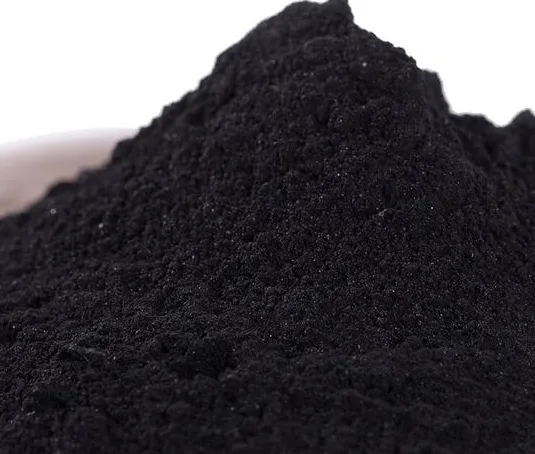
If you're in the market for high - quality Palladium On Activated Carbon, I'd love to have a chat with you. Whether you're a small - scale user or a large industrial company, we can work together to meet your needs. Just reach out, and we can start discussing your requirements.
In conclusion, storing Palladium On Activated Carbon properly involves creating the right environment, using the correct containers, handling it with care, and being vigilant about its condition. By following these tips, you'll be able to make the most of this amazing catalyst.
References:
- Industry best practices for catalyst storage
- Research on the properties and reactions of palladium and activated carbon