

As a supplier of activated charcoal cartridges, I've witnessed firsthand the growing interest in these products, not only for their practical applications but also for their environmental implications. Activated charcoal cartridges are widely used in various industries, from water purification to air filtration, and understanding their environmental impacts is crucial for both consumers and businesses.
Positive Environmental Impacts
1. Water Purification
One of the most significant environmental benefits of activated charcoal cartridges is their ability to purify water. They can effectively remove a wide range of contaminants, including heavy metals, organic compounds, and chlorine, from water sources. This is particularly important in areas where access to clean water is limited or where water quality is compromised.
For example, in industrial settings, activated charcoal cartridges can be used to treat wastewater before it is discharged into the environment. By removing pollutants, these cartridges help prevent water pollution and protect aquatic ecosystems. In households, they can be used in water filters to provide clean and safe drinking water, reducing the reliance on bottled water and its associated environmental impact.
2. Air Filtration
Activated charcoal cartridges are also commonly used in air purifiers to remove harmful pollutants and odors from the air. They can adsorb volatile organic compounds (VOCs), such as formaldehyde and benzene, which are commonly found in indoor environments and can have negative health effects.
By improving indoor air quality, activated charcoal cartridges help create a healthier living and working environment. They can also reduce the emission of pollutants into the atmosphere, contributing to the overall improvement of air quality in urban areas.
3. Renewable and Sustainable Source
Activated charcoal is typically made from natural materials, such as coconut shells, wood, or peat. These materials are renewable resources, which means they can be replenished over time. As a supplier, I am committed to sourcing activated charcoal from sustainable sources to minimize the environmental impact of our products.
Coconut shells, in particular, are a popular choice for making activated charcoal cartridges. They are a byproduct of the coconut industry, and using them to produce activated charcoal helps reduce waste and promote a circular economy.
Negative Environmental Impacts
1. Energy Consumption
The production of activated charcoal cartridges requires energy, primarily in the form of heat. The activation process involves heating the raw materials at high temperatures in the presence of an activating agent, such as steam or carbon dioxide. This energy-intensive process contributes to greenhouse gas emissions and can have a negative impact on the environment.
To mitigate this issue, some manufacturers are exploring alternative activation methods that require less energy. For example, using microwave technology or chemical activation methods can reduce the energy consumption and environmental impact of activated charcoal production.
2. Disposal
Once an activated charcoal cartridge reaches the end of its useful life, it needs to be disposed of properly. Depending on the type of contaminants adsorbed by the cartridge, it may be considered hazardous waste and require special handling and disposal procedures.
In some cases, activated charcoal cartridges can be regenerated and reused, which reduces the amount of waste generated. However, regeneration also requires energy and resources, and not all cartridges are suitable for regeneration.
3. Potential for Leaching
Although activated charcoal is generally considered a safe and effective adsorbent, there is a potential for leaching of contaminants from the cartridge into the environment. This can occur if the cartridge is not properly maintained or if it is exposed to high temperatures or pressures.
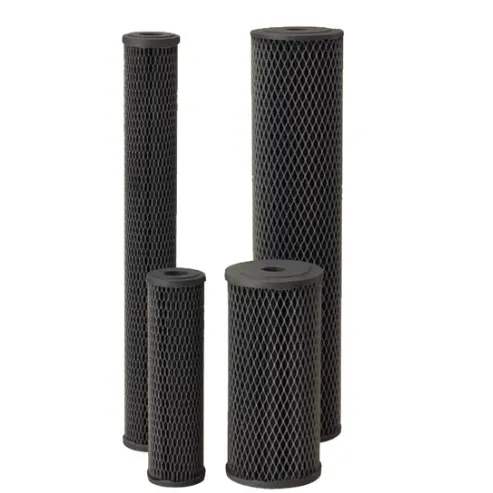
To minimize the risk of leaching, it is important to follow the manufacturer's instructions for use and maintenance of activated charcoal cartridges. Regular replacement of cartridges is also recommended to ensure their effectiveness and prevent the release of contaminants into the environment.
Mitigating the Environmental Impacts
1. Energy Efficiency
As a supplier, I am constantly looking for ways to improve the energy efficiency of our activated charcoal cartridges. This includes investing in research and development to develop new activation methods that require less energy and exploring the use of renewable energy sources in our production facilities.
We also encourage our customers to use energy-efficient appliances and systems when using our activated charcoal cartridges. For example, using a low-energy air purifier or a water filter with a built-in flow control valve can help reduce energy consumption and environmental impact.
2. Recycling and Regeneration
To reduce the amount of waste generated by activated charcoal cartridges, we offer a recycling and regeneration service for our customers. This service allows us to collect used cartridges, regenerate them, and reuse them in our production process.
By recycling and regenerating activated charcoal cartridges, we can reduce the demand for new raw materials and minimize the environmental impact of our products. We also work with our customers to educate them about the importance of proper disposal and recycling of activated charcoal cartridges.
3. Sustainable Sourcing
As mentioned earlier, we are committed to sourcing activated charcoal from sustainable sources. This includes working with suppliers who use sustainable harvesting practices and who are committed to environmental conservation.
We also support the development of sustainable coconut farming practices in the regions where we source our coconut shells. By promoting sustainable agriculture, we can help protect the environment and support the livelihoods of local communities.
Conclusion
Activated charcoal cartridges have both positive and negative environmental impacts. On the one hand, they can effectively purify water and air, reduce pollution, and use renewable resources. On the other hand, their production requires energy, and proper disposal is essential to prevent environmental contamination.
As a supplier of activated charcoal cartridges, I am committed to minimizing the environmental impact of our products. We are constantly looking for ways to improve the energy efficiency of our production processes, promote recycling and regeneration, and source our raw materials from sustainable sources.
If you are interested in learning more about our activated charcoal cartridges or would like to discuss your specific needs, please feel free to contact us. We would be happy to provide you with more information and help you find the right solution for your application.
References
- "Activated Carbon: Production, Properties, and Applications." Environmental Science and Technology, vol. 45, no. 16, 2011, pp. 6731-6737.
- "Sustainable Production of Activated Carbon from Biomass: A Review." Renewable and Sustainable Energy Reviews, vol. 61, 2016, pp. 387-400.
- "Environmental Impact of Activated Carbon Production and Use." Journal of Environmental Management, vol. 122, 2013, pp. 104-110.