

As a supplier of Acid Washed Activated Carbon, I've had my fair share of experiences dealing with customers, understanding their needs, and also getting to know the ins and outs of this product. Today, I want to talk about the limitations of Acid Washed Activated Carbon.
First off, let's understand what Acid Washed Activated Carbon is. It's a type of activated carbon that has undergone an acid - washing process. This process helps to remove impurities and increase the surface area, making it more effective in adsorption. You can find more detailed information about it on this page: Acid Washed Activated Carbon.
One of the major limitations is the cost. The acid - washing process is not cheap. It involves the use of acids, which are not only expensive but also require special handling and disposal procedures. The equipment needed for the acid - washing process is also costly to purchase and maintain. This means that the final product, Acid Washed Activated Carbon, is more expensive compared to regular activated carbon. For small - scale users or those on a tight budget, this can be a real deal - breaker. They might have to look for alternative products that can offer similar functions at a lower cost.
Another limitation is the environmental impact. The acids used in the washing process can be harmful to the environment if not properly managed. When these acids are disposed of, they can contaminate soil and water sources. Even with proper treatment, the process of neutralizing and treating the acid waste is complex and energy - intensive. This goes against the growing trend of environmental sustainability. Many companies and consumers are now looking for more eco - friendly products, and the high environmental footprint of Acid Washed Activated Carbon can be a significant drawback.
The performance of Acid Washed Activated Carbon can also be limited in certain applications. While it's great at adsorbing a wide range of contaminants, there are some substances that it struggles with. For example, some large - molecule organic compounds might not be effectively adsorbed by Acid Washed Activated Carbon. The pore size of the activated carbon plays a crucial role here. If the pores are too small, the large - molecule compounds can't enter and get adsorbed. On the other hand, if the pores are too large, the adsorption capacity for smaller molecules might be reduced.

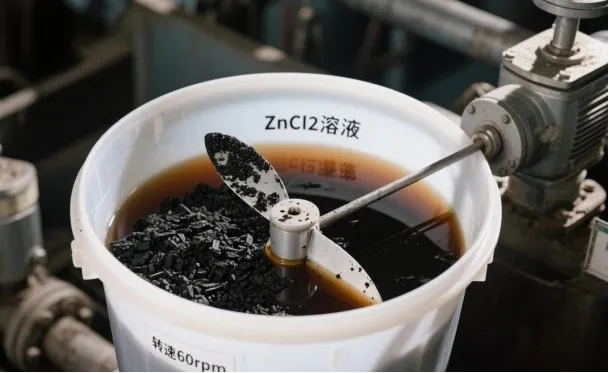
In addition, the acid - washing process can sometimes damage the structure of the activated carbon. This can lead to a decrease in its mechanical strength. A weaker activated carbon is more likely to break down during handling and use. For applications where the activated carbon needs to withstand high pressure or mechanical stress, such as in some industrial filtration systems, this can be a serious problem. Broken carbon particles can clog filters and reduce the efficiency of the entire system.
Acid Washed Activated Carbon also has limitations when it comes to regeneration. Regenerating activated carbon is an important process as it allows for reuse and reduces costs. However, the acid - washed carbon might not regenerate as effectively as regular activated carbon. The acid treatment can change the surface properties of the carbon, making it more difficult to remove the adsorbed contaminants during the regeneration process. This means that the lifespan of Acid Washed Activated Carbon might be shorter compared to other types of activated carbon, and users might have to replace it more frequently.
Now, let's compare it with some other types of activated carbon. Take Koh Impregnated Activated Carbon for example. Koh Impregnated Activated Carbon is impregnated with potassium hydroxide, which gives it unique properties. It's more effective in adsorbing certain gases, such as acidic gases. In some applications where the main target is to remove acidic gases, Koh Impregnated Activated Carbon might be a better choice than Acid Washed Activated Carbon.
Another type is Activated Carbon for Filter Type Abek. This activated carbon is specifically designed for use in filter type Abek. It has a different pore structure and surface chemistry optimized for filtering a specific range of contaminants. In applications where the requirements match those of Filter Type Abek, this type of activated carbon can outperform Acid Washed Activated Carbon.
Despite these limitations, Acid Washed Activated Carbon still has its place in the market. It's highly effective in many applications, especially when it comes to removing heavy metals and some organic contaminants. Its high surface area and purity make it a top choice for industries such as water treatment, food and beverage, and pharmaceuticals.
If you're in the market for activated carbon and think Acid Washed Activated Carbon might be the right fit for your needs, despite its limitations, I'd encourage you to get in touch. We can have a detailed discussion about your specific requirements, and I can help you determine if this product is the best option for you. Whether it's for a small - scale project or a large - scale industrial application, we're here to assist you. Reach out to us, and let's start a conversation about how we can meet your activated carbon needs.
References
- "Activated Carbon: Surface Chemistry, Adsorption Kinetics, and Applications" by [Author's Name]
- "Environmental Impact of Industrial Chemical Processes" by [Author's Name]
- "Carbon Adsorption Technology and Its Limitations" by [Author's Name]