

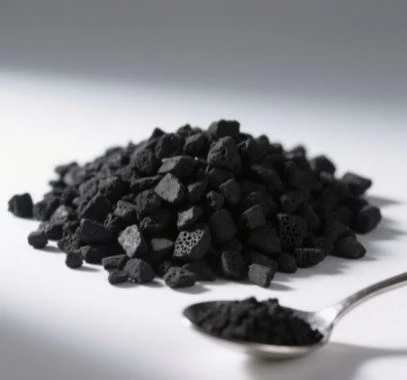
Hey there! As a wood based activated carbon supplier, one question I often get asked is, "What is the pH value of wood based activated carbon?" Well, let's dive right into it.
First off, let's understand what pH is. pH is a measure of how acidic or basic a substance is. It ranges from 0 to 14, where 7 is considered neutral. Values below 7 indicate acidity, and values above 7 show alkalinity.
The pH value of wood based activated carbon can vary depending on a few factors. One of the main factors is the production process. When we make wood based activated carbon, we start with wood materials like sawdust, coconut shells, or other woody biomass. These raw materials have their own chemical compositions, which can affect the final pH of the activated carbon.
During the activation process, we use different methods such as physical activation or chemical activation. Physical activation usually involves heating the wood in the presence of steam or carbon dioxide at high temperatures. Chemical activation, on the other hand, uses chemicals like phosphoric acid or zinc chloride. The choice of activation method and the chemicals used can significantly influence the pH of the resulting activated carbon.
Typically, wood based activated carbon can have a pH value anywhere from slightly acidic to slightly alkaline. Most of the time, it falls in the range of 5 to 9. If the activation process involves the use of acidic chemicals, the activated carbon may end up being more acidic. For example, when phosphoric acid is used in chemical activation, it can leave some acidic residues on the carbon surface, resulting in a lower pH.
On the other hand, if the carbon is treated or washed in a way that removes acidic components or if it contains alkaline substances, it will have a higher pH value. Some post - treatment processes like washing with water or alkaline solutions can increase the pH of the activated carbon.

So, why does the pH value matter? Well, it depends on the application. Different industries have different requirements when it comes to the pH of the activated carbon they use.
For example, in the alcohol filtering industry, the pH of the activated carbon can affect the taste and quality of the alcohol. Activated Carbon for Alcohol Filtering needs to be carefully selected to ensure that it doesn't introduce any unwanted flavors or chemical reactions. A slightly acidic or neutral activated carbon is often preferred in this case, as it can help in removing impurities without altering the taste profile of the alcohol too much.
In the monosodium glutamate (MSG) manufacturing process, the pH of the activated carbon is also crucial. Activated Carbon for Monosodium Glutamate Manufacturing Process is used to purify the MSG solution. The right pH can help in effectively adsorbing impurities and colorants while maintaining the chemical stability of the MSG. If the pH is too high or too low, it could lead to unwanted side reactions or reduced adsorption efficiency.
Another application is in sweetener production. Sweeteners like sugar and artificial sweeteners need to be highly pure. Activated Carbon for Sweetener Production with the appropriate pH can be used to remove color, odor, and other contaminants from the sweetener solutions. Depending on the specific sweetener and the production process, a specific pH range of the activated carbon may be required to achieve the best purification results.
As a supplier, we understand the importance of providing wood based activated carbon with the right pH value for different applications. We conduct strict quality control measures to ensure that the pH of our products meets the industry standards and the specific requirements of our customers.
We have a team of experts who are well - versed in the production and testing of activated carbon. They use advanced equipment to measure the pH accurately and make necessary adjustments during the manufacturing process. Whether you need slightly acidic, neutral, or slightly alkaline activated carbon, we can tailor our products to your needs.
If you're in the market for wood based activated carbon and want to discuss the pH requirements for your specific application, don't hesitate to reach out. We're here to help you find the perfect solution for your business. Whether you're in the alcohol, MSG manufacturing, sweetener production, or any other industry that uses activated carbon, we've got you covered.
So, if you have any questions or want to start a discussion about purchasing our wood based activated carbon, just drop us a line. We'll be more than happy to work with you to meet your needs and ensure the success of your operations.
References:
- "Activated Carbon Handbook" by J. Bansal and P. Goyal.
- Research papers on the production and applications of wood based activated carbon from various academic journals.