

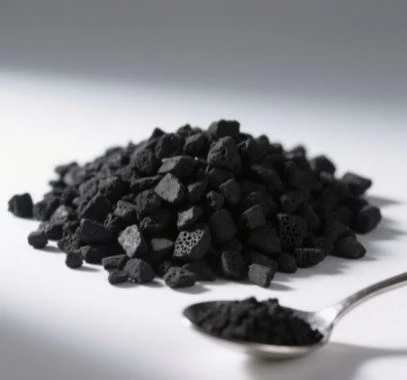
Wood-based activated carbon is a highly versatile and widely used adsorbent material, known for its excellent adsorption properties, high porosity, and environmental friendliness. As a leading supplier of wood-based activated carbon, I often receive inquiries about the price range of this product. In this blog post, I will delve into the factors that influence the price of wood-based activated carbon and provide an overview of the typical price ranges.
Factors Affecting the Price of Wood-Based Activated Carbon
Raw Material Quality
The quality of the raw wood used to produce activated carbon is a significant determinant of its price. High-quality wood species, such as coconut shells, hardwoods like oak and beech, are often preferred due to their low ash content and high carbon yield. These premium raw materials can result in activated carbon with superior adsorption capacity and purity, commanding a higher price in the market.
Activation Process
The activation process is crucial in determining the pore structure and surface area of the activated carbon, which directly impacts its adsorption performance. There are two main activation methods: physical activation and chemical activation. Physical activation involves heating the wood in the presence of steam or carbon dioxide, while chemical activation uses chemicals such as phosphoric acid or zinc chloride. Chemical activation generally produces activated carbon with a higher surface area and more developed pore structure, but it also requires more complex processing and higher production costs, leading to a higher price.

Product Specifications
The specific requirements of the end-user application play a vital role in determining the price of wood-based activated carbon. Different applications, such as water treatment, air purification, food and beverage processing, and pharmaceutical manufacturing, have varying demands for the particle size, iodine number, methylene blue adsorption, and other performance indicators of the activated carbon. Activated carbon with higher specifications and better performance is typically more expensive.
Market Supply and Demand
Like any other commodity, the price of wood-based activated carbon is also influenced by market supply and demand dynamics. Fluctuations in the availability of raw materials, changes in production capacity, and shifts in consumer demand can all affect the market price. For example, during periods of high demand or supply shortages, the price of activated carbon may increase, while oversupply can lead to price decreases.
Price Range of Wood-Based Activated Carbon
The price of wood-based activated carbon can vary significantly depending on the factors mentioned above. Generally, the price range can be classified into the following categories:
Low-End Products
Low-end wood-based activated carbon is typically made from lower-quality raw materials and may have relatively lower performance specifications. These products are often used in applications where the adsorption requirements are not very high, such as general water treatment or soil remediation. The price of low-end wood-based activated carbon usually ranges from $500 to $1,500 per metric ton.
Mid-Range Products
Mid-range wood-based activated carbon is made from better-quality raw materials and undergoes more advanced activation processes. These products have moderate performance specifications and are suitable for a wide range of applications, including air purification, food and beverage processing, and industrial wastewater treatment. The price of mid-range wood-based activated carbon typically falls between $1,500 and $3,000 per metric ton.
High-End Products
High-end wood-based activated carbon is produced from premium raw materials and uses the most advanced activation techniques to achieve superior adsorption performance. These products are often used in critical applications where high purity and excellent adsorption capacity are required, such as pharmaceutical manufacturing, electronic component production, and high-end water purification. The price of high-end wood-based activated carbon can exceed $3,000 per metric ton, and in some cases, it can be even higher depending on the specific product specifications and market demand.
Applications and Their Impact on Price
Water Treatment
Wood-based activated carbon is widely used in water treatment to remove organic compounds, chlorine, and other contaminants. For municipal water treatment plants, mid-range activated carbon with a moderate iodine number and particle size is often sufficient, and the price is relatively affordable. However, for high-purity water treatment applications, such as in the semiconductor industry or pharmaceutical manufacturing, high-end activated carbon with extremely low ash content and high adsorption capacity is required, resulting in a higher price. Activated Charcoal Medical Use
Air Purification
In air purification applications, wood-based activated carbon is used to adsorb volatile organic compounds (VOCs), odors, and other pollutants. The price of activated carbon for air purification depends on the specific requirements of the application, such as the type and concentration of pollutants to be removed. For general indoor air purification, mid-range activated carbon may be sufficient, while for industrial air pollution control, high-end activated carbon with a large surface area and high adsorption efficiency is often needed, leading to a higher price.
Food and Beverage Processing
Wood-based activated carbon is used in the food and beverage industry to remove impurities, colorants, and unwanted flavors. For sweetener production, Activated Carbon for Sweetener Production high-quality activated carbon with low ash content and high adsorption capacity is required to ensure the purity and quality of the final product. Similarly, in the monosodium glutamate manufacturing process, Activated Carbon for Monosodium Glutamate Manufacturing Process activated carbon is used to remove impurities and improve the taste and quality of the product. These applications often demand high-end activated carbon, resulting in a relatively high price.
Conclusion
In conclusion, the price range of wood-based activated carbon is influenced by multiple factors, including raw material quality, activation process, product specifications, and market supply and demand. Low-end products are suitable for applications with lower adsorption requirements, while high-end products are used in critical applications where high performance is essential. As a supplier of wood-based activated carbon, we understand the diverse needs of our customers and offer a wide range of products at different price points to meet their specific requirements.
If you are interested in purchasing wood-based activated carbon for your application, I encourage you to contact us for a detailed quote. Our team of experts can provide you with professional advice and guidance to help you select the most suitable product at the best price. We are committed to delivering high-quality products and excellent customer service to ensure your satisfaction.
References
- "Activated Carbon: Adsorption Technology and Applications" by J. B. Parra and J. C. Yang
- "Carbon Materials for Advanced Technologies" edited by M. S. Dresselhaus and G. Dresselhaus
- Industry reports and market research on wood-based activated carbon