

As a supplier of activated charcoal cartridges, I often receive inquiries from customers about how to determine if an activated charcoal cartridge is working effectively. In this blog post, I'll share some insights and methods that can help you assess the performance of these cartridges.
Understanding the Basics of Activated Charcoal Cartridges
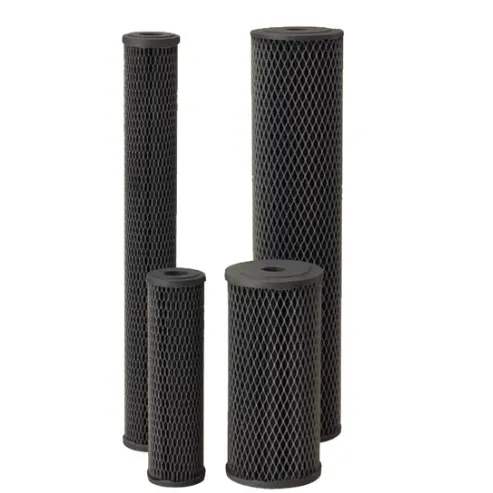
Activated charcoal cartridges are widely used in various applications, such as air purification, water filtration, and gas masks. The key principle behind their operation is the adsorption process. Activated charcoal has a highly porous structure, which provides a large surface area for molecules to adhere to. When air or water passes through the cartridge, contaminants are trapped on the surface of the activated charcoal, effectively removing them from the medium.
Visual Inspection
One of the simplest ways to start checking the functionality of an activated charcoal cartridge is through visual inspection. Over time, the cartridge may show signs of wear and tear. Look for any visible damage, such as cracks, holes, or loose parts. If the cartridge is housed in a casing, check for any signs of leakage or deformation. A damaged cartridge may not function properly, as it can allow contaminants to bypass the activated charcoal.
However, it's important to note that visual inspection alone is not sufficient to determine if the cartridge is still effective in adsorbing contaminants. Just because the cartridge looks intact doesn't mean it has the capacity to remove pollutants.
Odor and Taste Tests
For applications like air purification or water filtration, odor and taste can be good indicators of the cartridge's performance. In air purification, if you notice that the air in the room still has a strong odor after using the cartridge for a while, it could be a sign that the cartridge is no longer working effectively. Similarly, in water filtration, if the water still has an unpleasant taste or odor, the cartridge may need to be replaced.
Keep in mind that these tests are subjective and can be influenced by various factors. For example, the human sense of smell and taste can vary from person to person, and some contaminants may not have a noticeable odor or taste.
Pressure Drop Measurement
Another method to assess the performance of an activated charcoal cartridge is by measuring the pressure drop across the cartridge. As the cartridge becomes saturated with contaminants, the flow of air or water through it becomes more restricted, resulting in an increase in pressure drop.
You can use a pressure gauge to measure the pressure before and after the cartridge. Compare the pressure drop readings with the manufacturer's specifications. If the pressure drop exceeds the recommended range, it may indicate that the cartridge is nearing the end of its useful life.
Laboratory Analysis
For a more accurate assessment of the cartridge's performance, laboratory analysis can be conducted. This involves taking a sample of the activated charcoal from the cartridge and analyzing it for its adsorption capacity.
There are several techniques that can be used in the laboratory, such as gas chromatography and mass spectrometry. These methods can determine the types and amounts of contaminants that the cartridge has adsorbed. By comparing the results with the initial specifications of the cartridge, you can determine if it is still working effectively.
Monitoring Contaminant Levels
In some applications, it may be possible to monitor the levels of contaminants in the air or water before and after passing through the cartridge. For example, in an industrial setting, sensors can be used to measure the concentration of pollutants in the air. If the levels of contaminants do not decrease significantly after passing through the cartridge, it may indicate that the cartridge is not working properly.
Life Expectancy and Replacement
The life expectancy of an activated charcoal cartridge depends on several factors, including the type and concentration of contaminants, the flow rate of the medium, and the operating conditions. As a general rule, it's recommended to replace the cartridge according to the manufacturer's guidelines.
If you find that the cartridge is not working effectively before the recommended replacement time, it's important to replace it as soon as possible to ensure the continued protection against contaminants.
Conclusion
Determining if an activated charcoal cartridge is working requires a combination of methods. Visual inspection, odor and taste tests, pressure drop measurement, laboratory analysis, and monitoring contaminant levels can all provide valuable information about the cartridge's performance.
As a supplier of Activated Charcoal Cartridge, I'm committed to providing high-quality products and supporting our customers in ensuring the effective use of our cartridges. If you have any questions or need further assistance in determining the performance of our cartridges, please don't hesitate to contact us for procurement and further discussions.
References
- "Activated Carbon Technology" by Perry's Chemical Engineers' Handbook
- "Air Filtration and Purification" by American Society of Heating, Refrigerating and Air-Conditioning Engineers (ASHRAE)
- "Water Treatment Handbook" by WQA (Water Quality Association)