

Activated charcoal, a highly porous form of carbon, has been a staple in medical practice for decades. As a supplier of activated charcoal for medical use, I am often asked about how it is administered in various medical scenarios. In this blog post, I will delve into the different methods of administering activated charcoal, its medical applications, and considerations for its use.
Oral Administration
The most common method of administering activated charcoal in medical settings is orally. This approach is typically used in cases of poisoning or overdose. When a patient ingests a toxic substance, activated charcoal can be given as a slurry, usually mixed with water. The charcoal works by adsorbing the toxic substances onto its surface, preventing their absorption into the bloodstream.

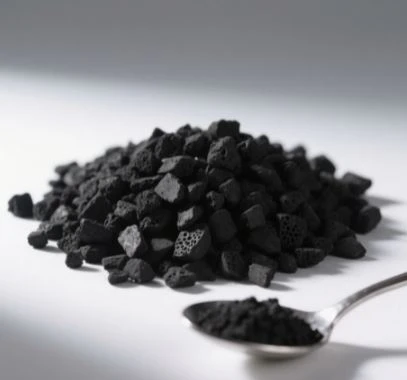
The dosage of activated charcoal for oral administration depends on the type and amount of the ingested toxin. In general, a single dose of 25 to 100 grams is recommended for adults, while children may receive a lower dose based on their weight. It is important to note that activated charcoal should be administered as soon as possible after ingestion of the toxin, ideally within one to two hours, for maximum effectiveness.
One of the advantages of oral administration is its simplicity and ease of use. It can be administered in a variety of settings, including hospitals, clinics, and even at home in some cases. However, there are also some limitations to this method. For example, activated charcoal may not be effective if the toxin has already been absorbed into the bloodstream or if the patient has a bowel obstruction. Additionally, some patients may experience side effects such as nausea, vomiting, and constipation after taking activated charcoal.
Gastric Lavage with Activated Charcoal
In some cases, gastric lavage (stomach pumping) may be used in conjunction with activated charcoal administration. This method involves inserting a tube through the nose or mouth into the stomach and flushing it with a solution of activated charcoal and water. Gastric lavage is typically used in cases of severe poisoning or overdose, especially when the patient presents late or when the toxin is known to be poorly adsorbed by activated charcoal.
The procedure of gastric lavage with activated charcoal should be performed by a trained medical professional in a hospital setting. The patient is usually placed in a supine position with their head slightly elevated. The tube is then inserted carefully into the stomach, and the activated charcoal solution is slowly introduced. After the solution has been left in the stomach for a few minutes, it is removed by suction.
Gastric lavage with activated charcoal can be an effective method of removing toxins from the stomach, but it also has some risks and limitations. The procedure can be uncomfortable for the patient and may cause complications such as aspiration, perforation of the esophagus or stomach, and electrolyte imbalances. Therefore, it is usually reserved for cases where the benefits outweigh the risks.
Rectal Administration
In certain situations, activated charcoal can be administered rectally. This method is typically used when oral administration is not possible, such as in patients who are unconscious or have difficulty swallowing. Rectal administration of activated charcoal involves inserting a suppository or an enema containing the charcoal into the rectum.
The dosage of activated charcoal for rectal administration is similar to that for oral administration, although the absorption may be slower. Rectal administration can be an effective way to deliver activated charcoal to the body, especially in cases where the toxin is present in the lower gastrointestinal tract. However, it is important to note that rectal administration may not be suitable for all patients, and it should be performed by a trained medical professional.
Inhalation of Activated Charcoal
In some rare cases, activated charcoal may be administered by inhalation. This method is typically used in cases of inhalation of toxic gases or fumes. The activated charcoal is usually in the form of a fine powder, which is inhaled through a special device.
Inhalation of activated charcoal can be an effective way to remove toxic gases and fumes from the respiratory system. However, it is important to note that this method should only be used in a controlled environment and under the supervision of a trained medical professional. Inhalation of activated charcoal can cause irritation to the lungs and airways, and it may also lead to the formation of charcoal particles in the lungs, which can cause long-term health problems.
Considerations for Activated Charcoal Administration
When administering activated charcoal in medical use, there are several important considerations to keep in mind. First, it is important to determine the appropriate dosage based on the type and amount of the toxin, as well as the patient's age and weight. Second, it is important to administer the charcoal as soon as possible after ingestion of the toxin for maximum effectiveness. Third, it is important to monitor the patient for any side effects, such as nausea, vomiting, and constipation.
In addition, it is important to note that activated charcoal may interact with other medications and substances. For example, it may reduce the effectiveness of certain medications, such as antibiotics and antidepressants. Therefore, it is important to inform the patient's healthcare provider about all medications and substances that the patient is taking before administering activated charcoal.
Applications of Activated Charcoal in Medical Use
Activated charcoal has a wide range of applications in medical use. In addition to its use in cases of poisoning and overdose, it is also used in the treatment of various medical conditions, such as diarrhea, gas, and bloating. Activated charcoal can help to adsorb toxins and gases in the gastrointestinal tract, reducing symptoms and promoting digestive health.
Activated charcoal is also used in the treatment of certain skin conditions, such as acne and eczema. It can help to absorb excess oil and impurities from the skin, reducing inflammation and improving the appearance of the skin.
In addition to its medical applications, activated charcoal is also used in a variety of industrial and commercial applications. For example, it is used in Activated Carbon for Industrial Solvent Recovery to remove solvents from industrial processes, in Activated Carbon for Edible Oil Bleaching to remove impurities from edible oils, and in Activated Carbon for Sweetener Production to remove color and odor from sweeteners.
Conclusion
Activated charcoal is a versatile and effective treatment option in medical use. It can be administered orally, rectally, or by inhalation, depending on the specific medical condition and the type of toxin involved. When administered correctly, activated charcoal can help to adsorb toxins and prevent their absorption into the bloodstream, reducing the risk of serious health complications.
As a supplier of activated charcoal for medical use, I am committed to providing high-quality products and services to our customers. If you are interested in learning more about our activated charcoal products or have any questions about their use in medical applications, please feel free to contact us. We would be happy to discuss your needs and provide you with the information and support you need.
References
- Krenzelok EP, McGuigan MA, Lheureux P. Position paper: single-dose activated charcoal. Clin Toxicol (Phila). 2005;43(2):61–87.
- Chyka PA, Seger D. Position paper: single-dose activated charcoal. American Academy of Clinical Toxicology; European Association of Poisons Centres and Clinical Toxicologists. J Toxicol Clin Toxicol. 2005;43(2):61–87.
- Dart RC, Bogdan GM, McGuigan MA, et al. Single-dose activated charcoal for the treatment of acute poisoning: a systematic review. Ann Emerg Med. 2007;49(5):551–562.