

Can an activated charcoal cartridge be used in a water filter? This is a question that many consumers and water treatment professionals often ask. As a supplier of Activated Charcoal Cartridge, I am well - versed in the properties and applications of activated charcoal cartridges, and I'm here to provide a comprehensive answer.
Understanding Activated Charcoal Cartridges
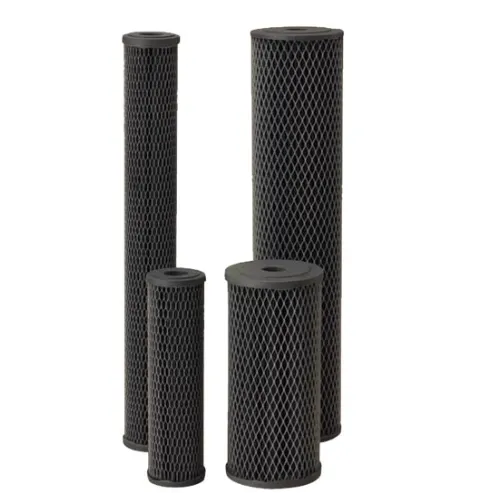
Activated charcoal, also known as activated carbon, is a form of carbon processed to have small, low - volume pores that increase the surface area available for adsorption or chemical reactions. An activated charcoal cartridge is a device that contains activated charcoal, usually in a cylindrical or rectangular shape, designed to be integrated into a filtration system.
The activation process of charcoal involves heating the carbonaceous material (such as coconut shells, wood, or coal) in the presence of a gas. This results in a highly porous structure with a large internal surface area. For example, one gram of activated charcoal can have a surface area of over 500 square meters, which makes it extremely effective at trapping contaminants.
The Mechanism of Water Filtration with Activated Charcoal Cartridges
The primary mechanism by which activated charcoal cartridges filter water is adsorption. Adsorption is different from absorption. In adsorption, contaminants in the water adhere to the surface of the activated charcoal rather than being absorbed into it.
When water passes through an activated charcoal cartridge, the porous structure of the activated charcoal acts like a sponge, attracting and holding onto various impurities. Organic compounds, such as pesticides, herbicides, and industrial solvents, are attracted to the carbon surface due to their non - polar nature. These compounds stick to the activated charcoal, effectively removing them from the water.
In addition to organic contaminants, activated charcoal can also remove chlorine and its by - products from water. Chlorine is commonly used in water treatment to disinfect water, but it can react with organic matter in the water to form potentially harmful disinfection by - products (DBPs) such as trihalomethanes (THMs). Activated charcoal cartridges can adsorb chlorine and reduce the levels of DBPs in the water, improving both the taste and safety of the water.
Advantages of Using Activated Charcoal Cartridges in Water Filters
- Improved Taste and Odor: One of the most noticeable benefits of using an activated charcoal cartridge in a water filter is the improvement in the taste and odor of the water. By removing chlorine, organic compounds, and other contaminants that can cause unpleasant tastes and smells, the water becomes more palatable.
- Removal of Organic Contaminants: As mentioned earlier, activated charcoal is highly effective at removing a wide range of organic contaminants from water. This includes common pollutants such as benzene, toluene, and xylene, as well as more complex organic compounds found in industrial waste and agricultural runoff.
- Cost - Effective: Activated charcoal cartridges are relatively inexpensive compared to some other types of water filtration technologies. They offer a cost - effective solution for both residential and commercial water filtration needs.
- Easy to Install and Replace: Activated charcoal cartridges are typically designed to be easy to install and replace. Most water filters that use activated charcoal cartridges have a simple cartridge - based system, allowing users to quickly swap out the old cartridge for a new one when it reaches the end of its useful life.
Limitations of Activated Charcoal Cartridges in Water Filtration
- Limited Removal of Inorganic Contaminants: While activated charcoal is excellent at removing organic contaminants, it has limited effectiveness in removing inorganic contaminants such as heavy metals (e.g., lead, mercury, and arsenic) and dissolved salts. For the removal of these contaminants, additional filtration steps or different filtration technologies may be required.
- Adsorption Capacity: The adsorption capacity of an activated charcoal cartridge is finite. Over time, as the cartridge adsorbs more and more contaminants, its effectiveness will decrease. Eventually, the cartridge will become saturated and need to be replaced. The lifespan of an activated charcoal cartridge depends on several factors, including the quality of the water being filtered, the flow rate of the water, and the size of the cartridge.
- Bacterial Growth: In some cases, activated charcoal cartridges can provide a suitable environment for bacterial growth. Since the porous structure of the activated charcoal can trap organic matter, bacteria may use this as a food source and multiply. To prevent bacterial growth, it is important to follow the manufacturer's recommendations for cartridge replacement and maintenance.
Applications of Activated Charcoal Cartridges in Water Filters
- Residential Water Filters: Activated charcoal cartridges are commonly used in residential water filters, such as pitcher - style filters, faucet - mounted filters, and under - sink filters. These filters are designed to improve the quality of drinking water by removing contaminants that can affect taste, odor, and health.
- Commercial Water Filtration Systems: In commercial settings, such as restaurants, cafes, and offices, activated charcoal cartridges are often used in larger water filtration systems. These systems can handle higher flow rates and are designed to meet the specific water quality requirements of commercial operations.
- Aquarium Filtration: Activated charcoal cartridges are also used in aquarium filtration systems. They help to remove impurities, such as fish waste, uneaten food, and chemicals, from the water, creating a healthier environment for the fish and other aquatic organisms.
Ensuring the Optimal Use of Activated Charcoal Cartridges in Water Filters
To ensure the optimal performance of an activated charcoal cartridge in a water filter, it is important to follow these guidelines:
- Choose the Right Cartridge: Select an activated charcoal cartridge that is appropriate for your specific water filtration needs. Consider factors such as the type of contaminants in your water, the flow rate of your water system, and the size of the cartridge.
- Follow the Manufacturer's Instructions: Read and follow the manufacturer's instructions for installation, use, and maintenance of the activated charcoal cartridge. This includes information on cartridge replacement intervals, pre - filtration requirements, and cleaning procedures.
- Monitor Water Quality: Regularly monitor the quality of your water to ensure that the activated charcoal cartridge is working effectively. You can use water testing kits to check for the presence of contaminants such as chlorine, organic compounds, and heavy metals.
Conclusion
In conclusion, an activated charcoal cartridge can be a valuable component of a water filter. It offers several advantages, including improved taste and odor, removal of organic contaminants, and cost - effectiveness. However, it also has some limitations, such as limited removal of inorganic contaminants and a finite adsorption capacity. By understanding the properties and limitations of activated charcoal cartridges, and by following the proper guidelines for their use and maintenance, you can effectively use them to improve the quality of your water.
If you are interested in purchasing high - quality activated charcoal cartridges for your water filtration needs, we are here to assist you. Our activated charcoal cartridges are made from premium materials and are designed to provide optimal performance. Contact us to discuss your specific requirements and start improving your water quality today.
References
- "Water Treatment and Purification" by American Water Works Association
- "Activated Carbon Adsorption" by Environmental Protection Agency
- "Filtration and Separation Handbook" by Elsevier