

As a supplier of activated charcoal cartridges, I often get asked about the proper way to store these essential products. Activated charcoal cartridges are widely used in various industries, including water purification, air filtration, and gas masks, due to their excellent adsorption properties. However, improper storage can significantly reduce their effectiveness, leading to subpar performance and potential safety risks. In this blog post, I'll share some best practices for storing activated charcoal cartridges to ensure they maintain their quality and functionality over time.
Understanding the Basics of Activated Charcoal Cartridges
Before diving into storage methods, it's important to understand what activated charcoal cartridges are and how they work. Activated charcoal, also known as activated carbon, is a form of carbon processed to have small, low-volume pores that increase the surface area available for adsorption or chemical reactions. When contaminants come into contact with the activated charcoal, they adhere to the surface of the pores, effectively removing them from the surrounding environment.
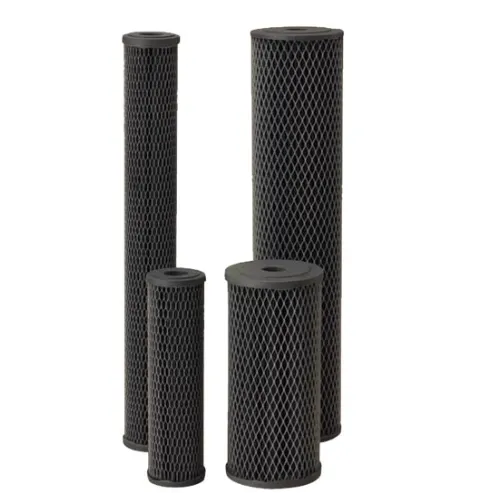
Activated charcoal cartridges typically consist of a housing filled with activated charcoal granules or fibers. The housing is designed to allow the flow of air or liquid through the cartridge while preventing the charcoal from escaping. The effectiveness of an activated charcoal cartridge depends on several factors, including the quality of the activated charcoal, the surface area of the pores, and the amount of charcoal in the cartridge.
Factors Affecting the Storage of Activated Charcoal Cartridges
Several factors can affect the storage of activated charcoal cartridges, including temperature, humidity, exposure to contaminants, and packaging. Let's take a closer look at each of these factors and how they can impact the performance of the cartridges.
Temperature
Temperature plays a crucial role in the storage of activated charcoal cartridges. High temperatures can cause the activated charcoal to release adsorbed contaminants, reducing its effectiveness. Additionally, extreme temperatures can damage the cartridge housing, leading to leaks or other issues. It's recommended to store activated charcoal cartridges in a cool, dry place with a temperature range of 10°C to 30°C (50°F to 86°F).
Humidity
Humidity can also have a significant impact on the performance of activated charcoal cartridges. High humidity levels can cause the activated charcoal to absorb moisture, which can reduce its adsorption capacity and promote the growth of mold and bacteria. To prevent moisture damage, it's important to store activated charcoal cartridges in a dry environment with a relative humidity of less than 60%.
Exposure to Contaminants
Activated charcoal cartridges are designed to adsorb contaminants from the surrounding environment. However, if they are exposed to contaminants during storage, their effectiveness can be compromised. It's important to store activated charcoal cartridges in a clean, sealed container away from sources of pollution, such as chemicals, solvents, and dust.
Packaging
The packaging of activated charcoal cartridges can also affect their storage. Cartridges should be stored in their original packaging or in a sealed container to protect them from moisture, dust, and other contaminants. Additionally, the packaging should be labeled with the date of manufacture and expiration date to ensure proper rotation and use.
Best Practices for Storing Activated Charcoal Cartridges
Based on the factors discussed above, here are some best practices for storing activated charcoal cartridges:
Store in a Cool, Dry Place
As mentioned earlier, activated charcoal cartridges should be stored in a cool, dry place with a temperature range of 10°C to 30°C (50°F to 86°F) and a relative humidity of less than 60%. This can help prevent moisture damage and ensure the cartridges maintain their effectiveness over time.
Keep in Sealed Containers
Activated charcoal cartridges should be stored in their original packaging or in a sealed container to protect them from moisture, dust, and other contaminants. If the original packaging is damaged, transfer the cartridges to a clean, airtight container.
Avoid Exposure to Contaminants
To prevent contamination, store activated charcoal cartridges away from sources of pollution, such as chemicals, solvents, and dust. If possible, store the cartridges in a dedicated storage area that is free from contaminants.
Rotate Stock Regularly
Activated charcoal cartridges have a limited shelf life, typically ranging from 1 to 3 years depending on the manufacturer and storage conditions. To ensure the cartridges are used before they expire, it's important to rotate the stock regularly and use the oldest cartridges first.
Check for Damage
Before storing or using activated charcoal cartridges, inspect them for any signs of damage, such as cracks, leaks, or discoloration. If a cartridge is damaged, it should be discarded and replaced with a new one.
Additional Tips for Maintaining Activated Charcoal Cartridges
In addition to proper storage, there are several other tips you can follow to maintain the performance of activated charcoal cartridges:
Follow Manufacturer's Instructions
Always follow the manufacturer's instructions for storage, use, and maintenance of activated charcoal cartridges. This can help ensure the cartridges are used correctly and maintain their effectiveness over time.
Replace Cartridges Regularly
Activated charcoal cartridges have a limited lifespan and should be replaced regularly to ensure optimal performance. The frequency of replacement depends on several factors, including the type of cartridge, the level of contamination, and the usage conditions. Refer to the manufacturer's instructions for specific replacement intervals.
Clean and Maintain Equipment
If the activated charcoal cartridges are used in equipment, such as air purifiers or water filters, it's important to clean and maintain the equipment regularly. This can help prevent the buildup of contaminants and ensure the cartridges function properly.
Monitor Performance
Regularly monitor the performance of the activated charcoal cartridges to ensure they are working effectively. This can be done by checking the pressure drop across the cartridge, measuring the concentration of contaminants in the treated air or water, or using other appropriate methods. If the performance of the cartridges deteriorates, replace them immediately.
Conclusion
Proper storage of activated charcoal cartridges is essential to ensure they maintain their quality and functionality over time. By following the best practices outlined in this blog post, you can help prevent moisture damage, contamination, and other issues that can reduce the effectiveness of the cartridges. Remember to store the cartridges in a cool, dry place, keep them in sealed containers, avoid exposure to contaminants, rotate the stock regularly, and check for damage before use. Additionally, follow the manufacturer's instructions for storage, use, and maintenance, replace the cartridges regularly, clean and maintain the equipment, and monitor the performance of the cartridges to ensure optimal results.
If you're in the market for high-quality activated charcoal cartridges, look no further. As a leading supplier of Activated Charcoal Cartridge, we offer a wide range of products to meet your specific needs. Our cartridges are made from high-quality activated charcoal and are designed to provide superior adsorption performance. Whether you need cartridges for water purification, air filtration, or other applications, we have the solution for you. Contact us today to learn more about our products and how we can help you with your activated charcoal cartridge needs.
References
- "Activated Carbon: Properties, Production, and Applications." Journal of Chemical Education, vol. 85, no. 10, 2008, pp. 1346-1350.
- "Storage and Handling of Activated Carbon." Carbon Resources Technology, vol. 12, no. 2, 2009, pp. 103-110.
- Manufacturer's instructions for activated charcoal cartridges.