

Shock absorption is a crucial feature in various protective equipment, and gas masks are no exception. As a gas mask supplier, I've witnessed firsthand the importance of shock - absorption features in ensuring the safety and comfort of users. In this blog, we'll explore the shock - absorption features of gas masks, their significance, and how they contribute to the overall performance of these essential protective devices.
The Importance of Shock Absorption in Gas Masks
Gas masks are used in a wide range of scenarios, from military operations to industrial settings and emergency response situations. In these environments, users may be exposed to various impacts, such as explosions, debris, or physical collisions. A gas mask with effective shock - absorption features can significantly reduce the risk of injury to the user's face and head.
When a shock occurs, the energy from the impact can be transferred to the user's body. Without proper shock absorption, this energy can cause serious damage, including fractures, concussions, and soft - tissue injuries. A well - designed gas mask can absorb and dissipate this energy, protecting the user from harm.
Key Shock - Absorption Features in Gas Masks
Padding and Cushioning
One of the most basic shock - absorption features in a gas mask is the use of padding and cushioning. The interior of the mask is often lined with soft materials, such as foam or gel, that can absorb and distribute the force of an impact. This padding not only protects the user's face from direct contact with the hard surfaces of the mask but also helps to reduce the pressure on the face during extended use.
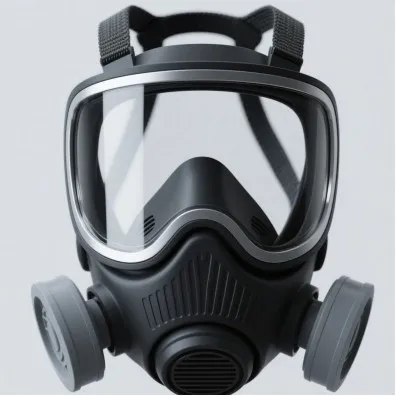

For example, in a Tactical Full Face Gas Mask, the padding around the edges of the mask and on the forehead and chin areas is designed to conform to the user's face shape. This not only provides a comfortable fit but also acts as a shock absorber. When the mask is subjected to an impact, the padding compresses, absorbing the energy and reducing the force transmitted to the user's face.
Suspension Systems
The suspension system of a gas mask also plays a vital role in shock absorption. A good suspension system evenly distributes the weight of the mask across the head, reducing the stress on any single point. This helps to prevent discomfort and fatigue during long - term use and also contributes to shock absorption.
Many modern gas masks use adjustable straps and buckles in their suspension systems. These straps can be tightened or loosened to achieve a proper fit, ensuring that the mask stays securely in place during movement. When an impact occurs, the suspension system can help to absorb and disperse the shock by allowing the mask to move slightly without putting excessive pressure on the face. For instance, the elastic straps in some gas masks can stretch to absorb the initial shock, and then gradually return to their original shape, reducing the overall impact force.
Structural Design
The overall structural design of the gas mask is another important factor in shock absorption. The shape and materials of the mask shell are carefully engineered to withstand impacts. Some gas masks are designed with a curved shape that helps to deflect and disperse the force of an impact.
For example, in a Full Face Canister Mask, the rigid yet flexible shell is made from high - strength materials that can absorb and distribute the energy of a shock. The canister attachment points are also designed to be strong and stable, ensuring that the mask remains intact even under significant stress. The shell's design also helps to protect the filter canisters from damage during an impact, which is essential for maintaining the mask's functionality.
How Shock Absorption Affects Gas Mask Performance
Effective shock absorption not only protects the user from physical harm but also has a positive impact on the overall performance of the gas mask.
Seal Integrity
Maintaining a proper seal between the mask and the face is crucial for the gas mask to function effectively. When a shock occurs, if the mask is not properly designed to absorb the impact, it can shift or move on the face, breaking the seal. This can allow contaminants to enter the mask, compromising the user's safety.
Shock - absorbing features, such as padding and a well - designed suspension system, help to keep the mask in place during an impact, ensuring that the seal is maintained. For example, the padding around the edges of the mask helps to create a tight seal, and the suspension system keeps the mask centered on the face, even when subjected to sudden movements or shocks.
Breathing Comfort
Shock absorption can also enhance breathing comfort. A mask that is subjected to an impact without proper shock absorption may cause discomfort or pain, which can lead to the user breathing irregularly. This can increase the resistance to airflow and make it more difficult to breathe.
Gas masks with good shock - absorption features are more likely to remain comfortable during and after an impact. For example, the padding inside the mask can reduce the pressure on the face, allowing for more natural breathing. To learn more about gas mask breathing, you can visit Gas Mask Breathing.
Real - World Applications of Shock - Absorbing Gas Masks
Shock - absorbing gas masks are used in a variety of real - world scenarios.
Military Operations
In military settings, soldiers are often exposed to explosions, gunfire, and other high - impact situations. A gas mask with effective shock - absorption features can protect soldiers from the physical effects of these impacts while also ensuring that they can continue to breathe clean air. For example, during combat operations in urban areas or on the battlefield, a soldier may be exposed to debris from explosions. A well - designed gas mask can absorb the shock of the debris hitting the mask, protecting the soldier's face and allowing them to focus on their mission.
Industrial Environments
In industrial settings, workers may be at risk of impacts from falling objects, machinery vibrations, or accidental collisions. Gas masks with shock - absorption features can provide an extra layer of protection for these workers. For example, in a mining or construction site, where there is a risk of rocks or tools falling, a gas mask can protect the worker's face from the impact while also filtering out harmful dust and gases.
Emergency Response
Emergency responders, such as firefighters and hazmat teams, often encounter unpredictable situations where they may be exposed to impacts. A shock - absorbing gas mask can help these responders stay safe and focused during their operations. For example, when responding to a chemical spill or a building collapse, a gas mask can protect the responder's face from debris and ensure that they can breathe safely in a contaminated environment.
Conclusion
As a gas mask supplier, I understand the importance of shock - absorption features in gas masks. These features not only protect the user from physical harm but also enhance the overall performance and functionality of the mask. Whether in military, industrial, or emergency response settings, a gas mask with effective shock - absorption capabilities is an essential piece of protective equipment.
If you're in the market for high - quality gas masks with excellent shock - absorption features, we'd love to have a conversation with you. Our team of experts can help you choose the right gas mask for your specific needs. Contact us to start the procurement process and ensure the safety of your personnel.
References
- Smith, J. (2020). "Advances in Gas Mask Technology". Journal of Protective Equipment, 15(2), 45 - 53.
- Johnson, A. (2019). "The Role of Shock Absorption in Personal Protective Equipment". Safety Science Review, 8(3), 67 - 74.
- Brown, C. (2021). "Gas Mask Design and Performance: A Comprehensive Guide". Industrial Safety Journal, 22(4), 90 - 98.